
How Mobile Apps Can Transform Modern Businesses
Explore how Android, iOS, Flutter and React Native mobile apps can improve customer experience, operations and business growth.
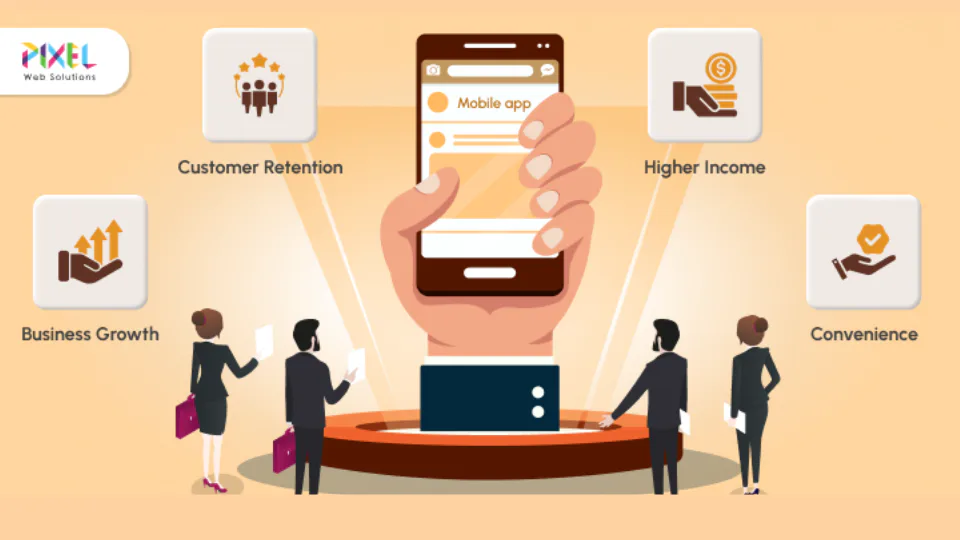
A mobile app can give a business a direct, useful place in a customer's day or make an internal team dramatically more effective in the field. It is not automatically the right answer for every service, but it can create a stronger experience when people need frequent access, personalised information, camera or location features, notifications or offline capability. The best mobile application development begins with a real user problem and a clear reason an app is better than a website, spreadsheet or messaging thread.
Where mobile apps create business value
Customer apps can make repeat actions simple: browse a catalogue, manage a booking, track an order, access a loyalty programme or receive relevant updates. Because an app can remember preferences and use device capabilities, it can reduce friction in moments that happen often. For a service business, this may mean a faster appointment flow; for a B2B company, it may mean a client portal that makes account information available without an email exchange.
Internal business app development can be just as transformative. Field teams can capture photos, complete inspections, update job status and work through a consistent checklist. Sales teams can access approved product information and customer context. Operations teams can review tasks and exceptions in real time. These use cases turn mobile from a marketing channel into a practical part of process automation and service delivery.
Start with a specific user journey
A successful mobile app strategy starts by defining the user, the moment of need and the measurable outcome. Avoid a broad brief such as 'we need an app because competitors have one.' Instead, identify a journey that is currently slow, fragmented or difficult on a mobile device. Map the current steps, information needed, exceptions and what a successful completion looks like. This creates a focused product scope and prevents a first release from becoming an expensive collection of features.
Prototype the critical path before committing to the full build. Users can reveal whether the flow is clear, whether a notification would help and what information they expect to see first. This early research is particularly useful for startup app development, where the fastest learning often matters more than a large feature list. A small, reliable first release gives the business feedback to guide future investment.
Android, iOS and cross-platform choices
Android app development is important for broad reach in India and many global markets, while iOS app development can be essential for audiences that use Apple devices or expect platform-specific experiences. Native development with Kotlin for Android and Swift for iOS can be a strong choice when the app depends heavily on device features, advanced graphics or a highly platform-specific interaction. It provides the deepest control, with the cost of maintaining two codebases.
Flutter development and React Native development offer cross-platform apps from a shared codebase. They can be excellent for many business products because they reduce duplicate effort while delivering a polished mobile experience. The best choice depends on the team's skills, design requirements, existing web technology, integrations and roadmap. A responsible mobile app development company will evaluate those factors instead of presenting a single framework as universally best.
Mobile apps can strengthen customer engagement
An installed app creates an opportunity for more useful, permission-based communication. Notifications can remind a customer about an appointment, surface a delivery update or invite them back to a saved task. The value comes from relevance and timing, not volume. Irrelevant notifications teach people to turn them off or uninstall the app, while timely information makes the product feel dependable and considerate.
Personalisation should be earned through clear user benefit and respectful data practices. Let customers control notification preferences, explain why data is needed and collect only what the feature requires. When an app provides consistent utility, customer engagement becomes a result of good service rather than a sequence of interruptions.
Integrate the app with the systems that run the business
A standalone app quickly becomes frustrating if customers or staff see different information in different places. Mobile application development should plan for the systems that own customer records, inventory, bookings, support tickets or payments. Secure APIs and well-defined data rules allow the app to show current information and create actions that the business can trust. This is where full stack development and integration design are as important as the visible interface.
For internal apps, offline behaviour deserves special attention. Field staff may lose connectivity, but still need to complete work. Decide what can be stored on the device, how it is secured and how conflicts are resolved when the device reconnects. These details make the difference between an app that looks good in a demonstration and one that works in the actual conditions of a business day.
Security, accessibility and store readiness
Trust in a business app depends on careful basics: secure authentication, appropriate session handling, encrypted network traffic, secure storage and minimal permissions. Plan legal, privacy and account-management requirements early, particularly when the app processes personal or business-sensitive information. Build accessibility into the interface through readable text, clear contrast, meaningful labels and controls that work with assistive technologies.
App-store release is a product milestone, not the end of the project. Prepare accurate descriptions, privacy details, screenshots, support information and a process for updates. Test across realistic devices and operating-system versions. A disciplined release process protects the brand and makes future changes less stressful for both the team and users.
Measure adoption and improve deliberately
After launch, track the behaviour that represents value: completed bookings, active accounts, time saved per field task, repeat purchases or successful support self-service. Pair analytics with interviews and support feedback. Numbers may show where people stop; conversations explain why. This evidence helps a business decide which feature to improve, what to simplify and where new automation could remove friction.
The most successful custom mobile apps evolve from a clear core. They do one important job well, earn user trust and expand only when a new feature supports that job. This approach keeps the product manageable, protects performance and helps every new release contribute to a measurable business objective.
Frequently asked questions
- Does every business need a mobile app?
- No. An app is valuable when users need frequent, personalised, device-enabled or offline access. A responsive website or messaging workflow may be better for less frequent interactions.
- Should I choose Flutter or React Native?
- Both can be strong cross-platform choices. Evaluate your team, UI requirements, existing technology, device features and long-term maintenance plan rather than choosing from a trend.
- What is the difference between native and cross-platform apps?
- Native apps are built separately for Android and iOS using their platform tools. Cross-platform apps share much of the code while still targeting both platforms.
- How can an app improve internal operations?
- Apps can give field, sales and operations teams structured access to tasks, forms, customer context, photos and status updates wherever work happens.
- How should a business measure mobile app success?
- Define the key behaviour before launch—such as completed bookings, active users, task time saved or repeat purchase—and review it alongside direct customer feedback.
A mobile app is most valuable when it makes a real customer or operational task simpler, faster and more dependable. Begin with a focused journey, select technology based on actual requirements and connect the app responsibly to the systems that run the business. That is how mobile becomes a durable part of digital transformation.
Ready to improve a real workflow?
Talk with our team about a focused, measurable project for your website, app, AI workflow or growth system.